
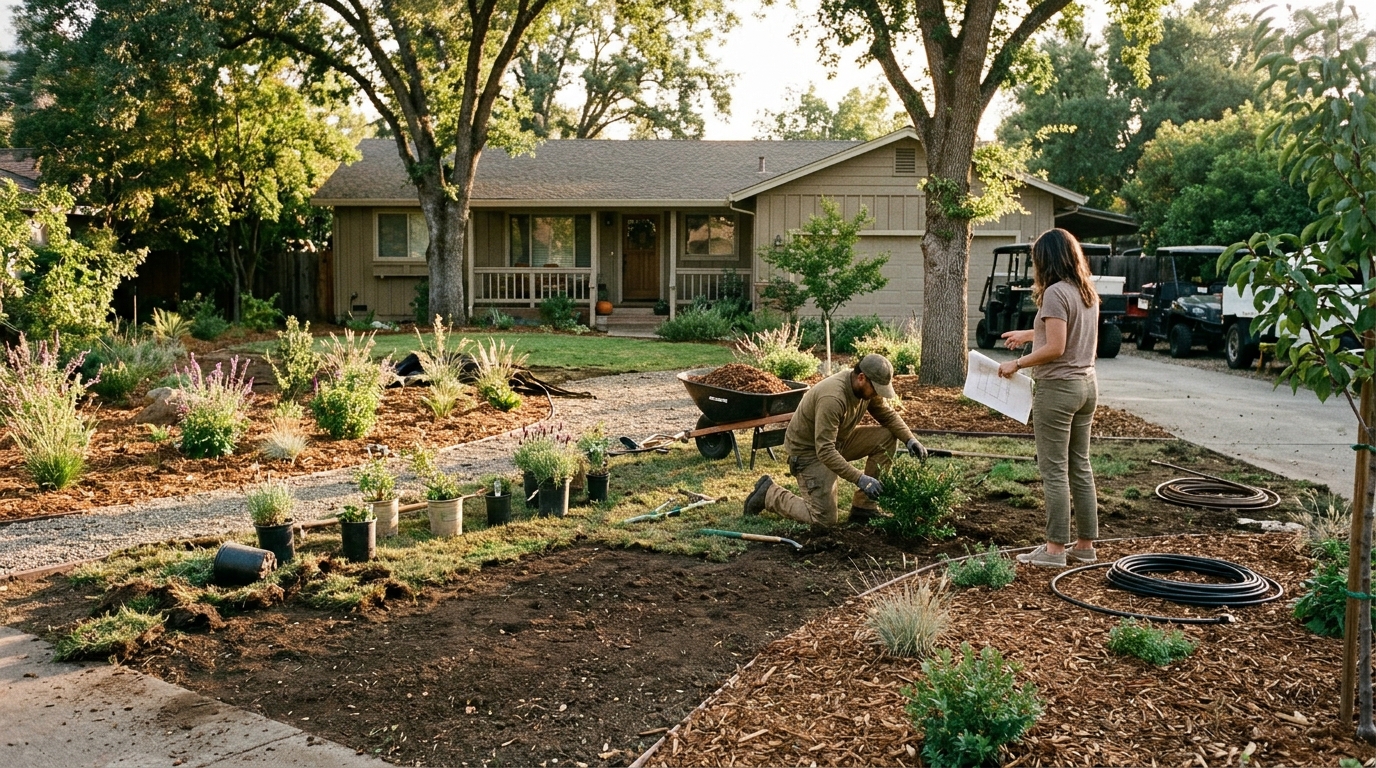
Choosing between hiring a professional landscaper and doing it yourself for Sacramento grass conversion rebates depends on your comfort with manual labor, local permit requirements, and long-term maintenance goals. A professional service like Salvador Landscape offers structured, cost-effective solutions for the Greater Sacramento area, while a DIY approach requires significant personal effort and technical knowledge. This comparison helps you decide which path best fits your budget, timeline, and desired outcome for a drought-friendly yard.
Understanding Sacramento Grass Conversion Rebates
Grass conversion rebate is a financial incentive program offered by local water districts to encourage residents to replace thirsty turf with drought-tolerant landscaping. In the Sacramento region, these programs are designed to reduce overall water consumption during the dry summer months. To qualify for the rebate, homeowners must typically meet specific criteria, including the use of approved plant materials and proper irrigation systems. Understanding the technical requirements is the first step in deciding whether to hire a professional or tackle the project alone.
Option 1: Hiring a Professional Landscaper
Strengths of Professional Installation
Professional installation ensures that the project is completed correctly the first time. This reduces the risk of plant failure, which can jeopardize your rebate eligibility. A professional team also handles the administrative burden of filing rebate applications, saving you time and reducing the chance of errors. Additionally, professional landscapes often increase property value and curb appeal more significantly than DIY projects.
Limits of Professional Installation
The primary limit is the financial outlay required for labor and materials. While services like Salvador Landscape offer cost-friendly rates, professional work is generally more expensive than doing the labor yourself. You also have less control over the specific design choices unless you are actively involved in the planning phase. Scheduling can also be a factor, as professional crews may have wait times during peak seasons.
Option 2: Doing It Yourself (DIY)
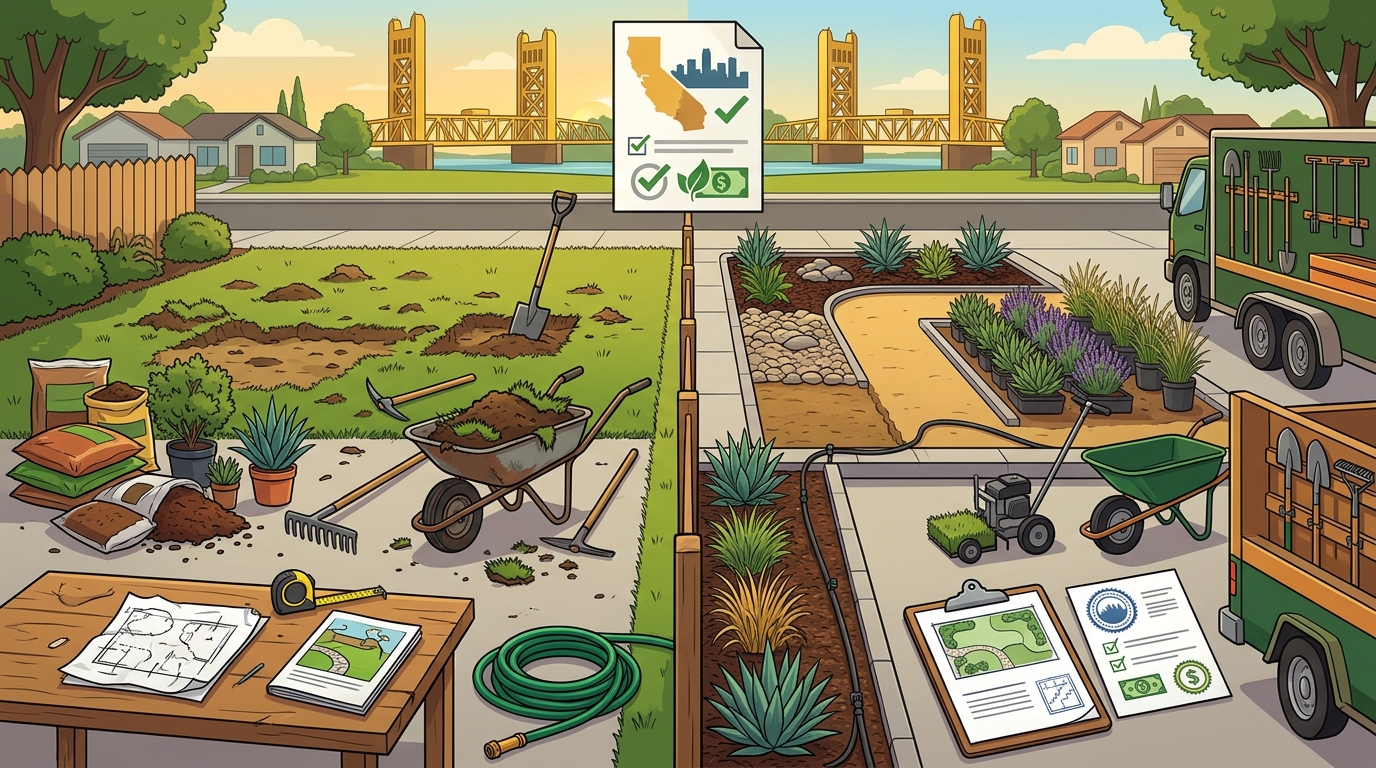
Doing it yourself means taking full responsibility for the design, excavation, planting, and irrigation setup. This approach suits homeowners with strong physical stamina, gardening knowledge, and a willingness to invest significant time. The primary strength is cost savings on labor, which can be substantial for large properties. However, the limit is the high risk of error. If the installation does not meet the water district's technical standards, you may lose the rebate entirely. DIY also requires you to source materials, manage waste removal, and handle any necessary permits independently.
Strengths of DIY Conversion
The most significant strength of a DIY conversion is the reduction in labor costs. You only pay for the plants, soil, and irrigation equipment. This approach also allows for complete creative control over the final look of your yard. For those who enjoy gardening, the process can be a rewarding personal project that deepens your connection to your outdoor space.
Limits of DIY Conversion
The physical labor involved in removing turf and preparing the ground is intense and time-consuming. Without professional guidance, you may struggle with proper plant spacing and irrigation zoning, leading to poor plant health. The administrative burden of navigating rebate applications and local regulations can also be overwhelming for those without prior experience. Mistakes in installation can result in the loss of the financial incentive, making the project less cost-effective than anticipated.
Comparison of Approaches
The following table summarizes the key differences between hiring a professional and doing it yourself for grass conversion rebates in Sacramento.
| Criteria | Hiring a Landscaper | Doing It Yourself |
|---|---|---|
| Upfront Cost | Higher (Labor + Materials) | Lower (Materials Only) |
| Time Commitment | Low (Oversight Only) | High (Physical Labor) |
| Rebate Risk | Low (Expert Compliance) | Higher (Technical Errors) |
| Design Control | Moderate (Collaborative) | High (Full Control) |
| Long-Term Maintenance | Professional Support Available | Self-Managed |
Choosing the Right Path for Your Home
Selecting the right approach depends on your specific circumstances and priorities. The following guidance helps you make an informed decision based on your resources and goals.
Choose a Professional Landscaper If
You should hire a professional if you lack the time or physical ability to perform heavy labor. This is also the best choice if you want to ensure the rebate is secured without the stress of navigating complex technical requirements. Homeowners who value a polished, cohesive design and want ongoing maintenance support will find professional services like those from Salvador Landscape to be the most reliable option. If your property is large or has complex terrain, professional equipment and expertise are essential for a successful conversion.
Choose DIY If
Doing it yourself is suitable if you have a small area to convert and possess strong gardening skills. This approach works best for those who are physically fit and have the time to dedicate to the project over several weekends. If you are comfortable with administrative tasks and can carefully follow water district guidelines, DIY can be a cost-effective and rewarding experience. However, you must be prepared to handle any issues that arise without professional backup.
Frequently Asked Questions
Can I switch from DIY to professional help midway through the project?
Yes, you can switch approaches if you encounter difficulties. Many homeowners start with DIY and hire a professional for specific tasks like irrigation installation or design consultation. It is important to communicate your progress to the professional so they can assess the current state of the work and ensure it meets rebate requirements.
What are the switching costs if I hire a professional after starting DIY?
Does the water district require a licensed contractor for the rebate?
Requirements vary by specific water district and program. Some programs require a licensed contractor for irrigation work, while others allow homeowners to perform the labor themselves. It is essential to check the specific guidelines for your local water district before starting the project to ensure compliance.
How long does a professional grass conversion take compared to DIY?
Professional conversions are typically completed in a few days to a week, depending on the size of the property. DIY projects can take several weeks or months, as the work is done in phases over weekends. The faster timeline of professional installation allows you to enjoy your new landscape sooner.
What happens if my DIY conversion fails to meet rebate criteria?
If your DIY conversion does not meet the criteria, you will not receive the rebate. In some cases, you may be required to correct the installation to qualify. This can result in additional costs and effort. Hiring a professional minimizes this risk by ensuring the work is done correctly from the start. Learn more: Salvador Landscape FREE ESTIMATE.